Can birthmarks reveal a past life?

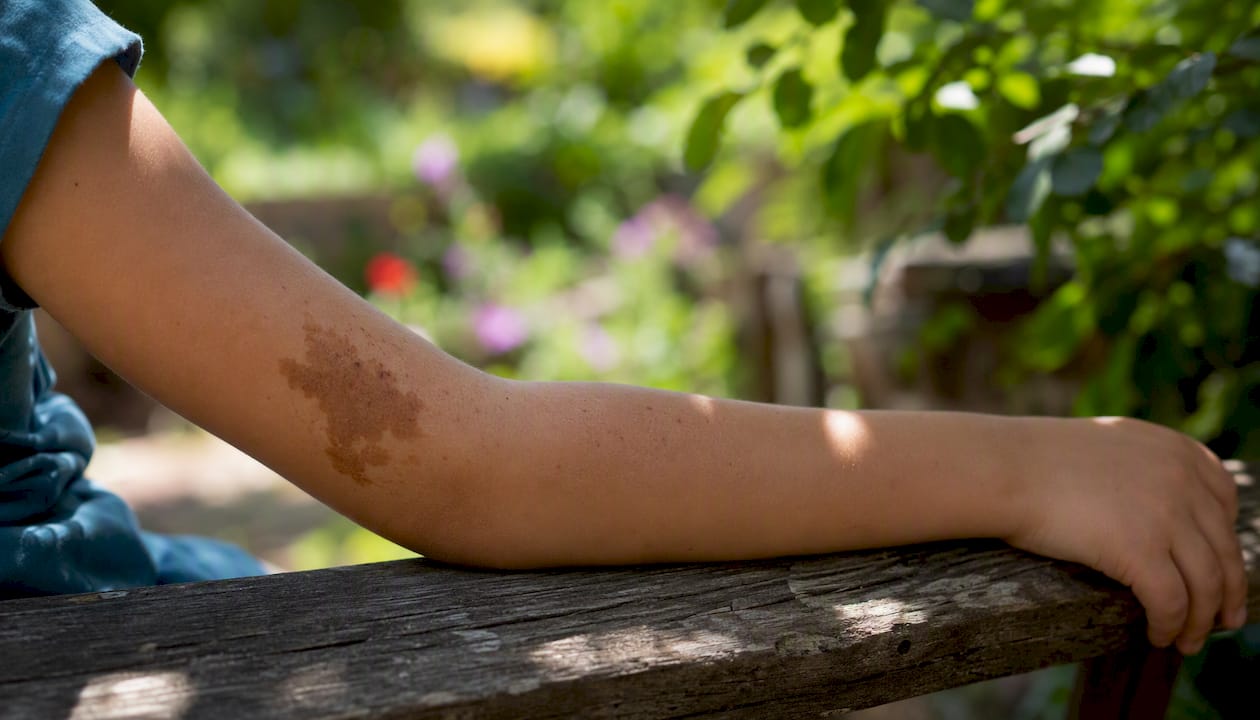
Some birthmarks do line up with reported past-life wounds closely enough that researchers have spent decades documenting the pattern, but no birthmark proves reincarnation on its own. The strongest signal comes from the University of Virginia’s Division of Perceptual Studies, where roughly 35% of children who described memories of a previous life also had birthmarks their families linked to fatal wounds on a deceased person. That correlation is not the same as confirmation, and any unusual, changing, or painful mark deserves a doctor’s opinion before a spiritual one.
The headline figure: ~35% correlation across Ian Stevenson’s investigated cases
What it isn’t: independent proof of a past life
A common next step: exploring the mark’s meaning through Quantum Healing Hypnosis (QHHT)
Key Takeaways
Birthmarks correlate with reported past-life wounds in a meaningful minority of documented cases, but correspondence is evidence to weigh, not proof to accept outright.
Point | Details |
The core statistic | Around 35% of children with past-life memories in UVA’s research had birthmarks linked to a deceased person’s wounds. |
Verification matters | Only cases with postmortem records and pre-identification statements carry real evidential weight. |
Know the lesion types | Puckered scars, large nevi, alopecia patches, and paired entry or exit marks appear most in case literature. |
Medical checks come first | Rapid change, bleeding, or new pain in a mark always warrants a GP or dermatologist visit. |
Explore symbolically, not diagnostically | Paulstebles offers QHHT sessions that treat a birthmark as a prompt for client-led, safety-screened exploration. |
Table of Contents
What does the research say about birthmarks and past lives?
Ian Stevenson spent over 40 years at the University of Virginia collecting and verifying cases of children who claimed to remember previous lives, many of whom carried unusual marks their families connected to fatal injuries. His most cited monograph, Reincarnation and Biology, documented hundreds of these cases and set out the criteria investigators still use today.
The number that keeps coming up: in cases where postmortem medical records existed, most showed a confirmed anatomical match between the child’s birthmark and the deceased person’s wound, according to UVA’s data.
Verification in the strongest cases relied on more than family testimony. Investigators sought postmortem reports, independent witness statements, and a plausible anatomical correspondence between the mark’s location and the wound’s. Field researchers in Thailand and Myanmar went further, documenting 18 cases of “experimental birthmarks”, where a dying person’s body was marked with soot or dye to test whether the same mark would reappear on a family member reborn. Six of the resulting children later made statements their families linked back to the deceased.
None of this escapes obvious limits: selection bias (families report striking cases, not ordinary ones), cultural expectation shaping how a birthmark gets interpreted, and the sheer rarity of documented postmortem records outside case-rich regions.
Pro Tip: Judge any past-life birthmark story by three things: did the child speak about the previous life before anyone identified who it supposedly was, is there a written medical record of the wound, and was the mark documented before the “discovery,” not after.
Which birthmarks are most often linked to past-life claims?
Case literature keeps returning to a small set of lesion types, distinct from the marks most babies are simply born with.
Large hyper or hypopigmented nevi — patches of darker or lighter skin, often bigger than typical birthmarks
Puckered, scar-like areas — skin that looks healed rather than pigmented, sometimes indented
Alopecia patches — small areas of missing hair, occasionally paired with a mark beneath
Port-wine or vascular marks — flat, reddish-purple patches from blood vessel anomalies
Paired round marks — small circular marks and larger irregular ones, interpreted as entry and exit wounds
One frequently cited pattern involves a small round birthmark on one side of the body and a larger, irregular one on the opposite side. Investigators have recorded this entry and exit configuration in multiple cases where the deceased died from a gunshot wound.
A rope-like groove around a limb, or a mark corresponding to where soot was applied in an experimental-marking case, follow the same logic. Worth remembering: most birthmarks, including Mongolian spots and salmon patches, are smaller, common, and carry no such reported correspondence.
Could there be a scientific explanation instead?
Mainstream dermatology has answers for the vast majority of birthmarks that owe nothing to a past life. Vascular anomalies, irregular neural crest cell migration during fetal development, and straightforward genetics account for most pigmented and vascular marks. A prospective neonatal study in Thailand found salmon patches, one of the most common vascular birthmarks, in around 36% of newborns, a reminder that unusual-looking skin at birth is often simply unusual, not symbolic. “Maternal impression” theories, where a mother’s experience during pregnancy supposedly shapes a mark, have never held up under scrutiny. Coincidence and confirmation bias do plenty of the rest of the work once a family starts looking for a connection.
None of that rules out asking a GP or dermatologist to check a mark. See a clinician promptly if you notice:
Rapid growth or change in shape
Bleeding or oozing without injury
New pain, itching, or tenderness
Irregular, asymmetric borders developing later in life
Pro Tip: Photograph the mark monthly in consistent lighting, note the date, and measure it against a coin or ruler for scale. That record is useful for a dermatologist and, if you explore it spiritually later, for a regression practitioner too.
How do spiritual traditions interpret birthmarks?
Interpretations vary by tradition, but four recurring frameworks show up across cultures and practitioners.
Death-wound markers — a mark believed to trace the fatal injury from a previous incarnation
Karmic reminders — a physical prompt pointing towards unresolved lessons or patterns to work through
Symbols of a life role — a mark linked to a skill, trade, or identity carried from a past existence
Family rebirth markers — drawn from experimental-marking traditions, where a mark signals a relative has returned
Practitioners running regression sessions, including Quantum Healing Hypnosis (QHHT) facilitators, tend to treat a birthmark as a prompt rather than proof. A session might begin with the client describing the mark’s location and any recurring dreams, fears, or physical sensations tied to it, then use that as an entry point into the subconscious rather than a fact to be medically confirmed. Good practitioners are explicit that this is symbolic and therapeutic work, not diagnosis. The caution worth holding onto: a birthmark can open a door to meaningful psychological insight, but treating it as definitive evidence of a specific past life overstates what any session can actually establish.
How reliable is the evidence, and how do researchers test it?
A more recent systematic review of head and neck birthmark cases found published cases concentrated among children in South Asia, with genuinely high-strength evidence remaining uncommon.
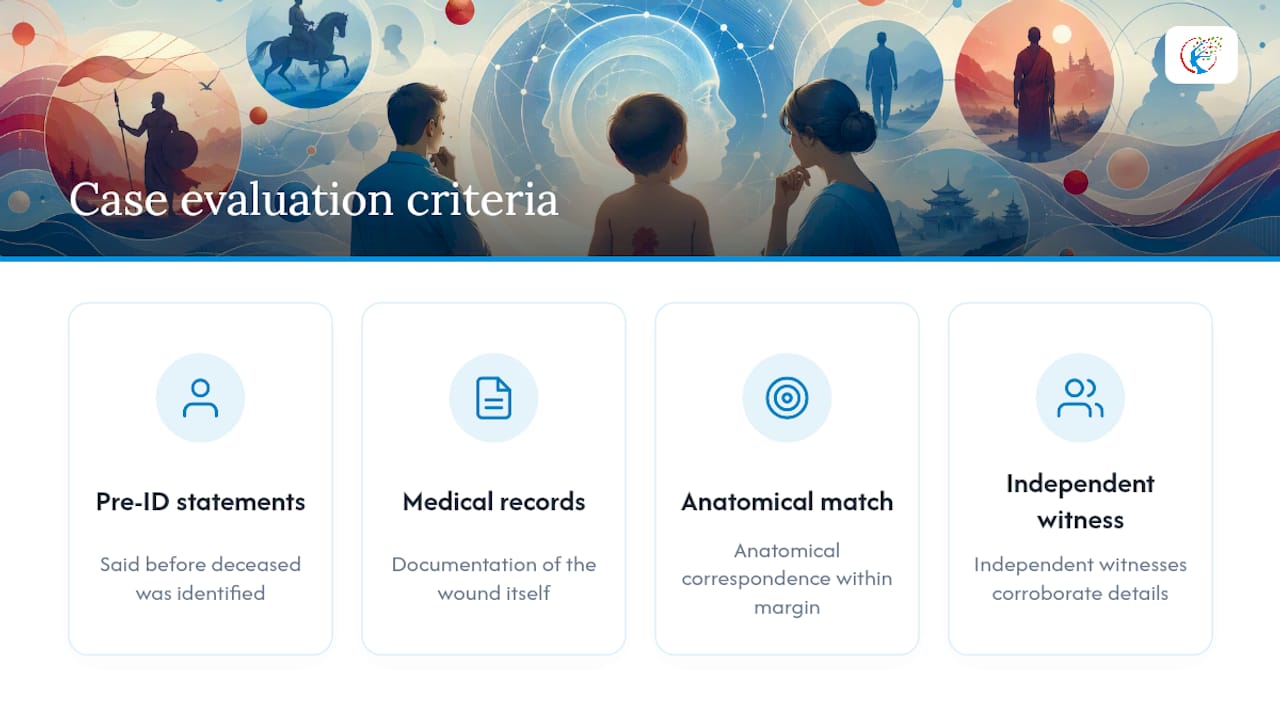
Researchers judging a case look for four things together: statements the child made before anyone identified the deceased person, medical documentation of the wound itself, anatomical correspondence within a reasonable margin, and independent witness corroboration. Case collection typically involves interviews with the family, cross-referencing available medical records, and accounting for the cultural context that shapes how a case gets reported in the first place. A 2025 theoretical paper has proposed possible biological mechanisms worth testing, but it offers hypotheses, not proof.
Pro Tip: Weigh a peer-reviewed monograph or journal review far above a single anecdote or blog post. Stevenson’s case files carry more weight because they include named sources and documented methodology, not because they’re older.
How can you explore your own birthmark’s meaning safely?
Photograph and measure the mark, noting colour, texture, and exact location.
Ask family about your birth and early years — unusual fears, comments, or behaviours sometimes get dismissed as childhood oddities.
Get medical clearance first if the mark shows any of the red flags above.
Note any recurring dreams, phobias, or physical sensations connected to the mark’s location.
Choose a regression or QHHT practitioner carefully, and ask how they document sessions and handle client safety.
A credible practitioner welcomes questions about their process: how they record pre-session details, whether they use non-leading questions during regression, and what safeguards exist if a session surfaces distress. Be wary of anyone guaranteeing you’ll “find” a specific past life or who waves off a medical concern in favour of a spiritual explanation.
Pro Tip: Treat medical, cultural, and spiritual explanations as complementary lenses, not competing ones. The birthmark cases with the strongest documentation usually satisfy more than one of them at once.
A practitioner’s view on birthmarks and reincarnation
The Stevenson case files deserve real respect. That said, most people asking about a birthmark aren’t trying to win an academic argument. They want to understand a feeling they can’t quite place. Symbolic work through regression doesn’t need to prove reincarnation to be worthwhile. If a mark keeps drawing your attention, guided exploration can be a grounded way to sit with that curiosity.
Ready to explore what your birthmark might mean?
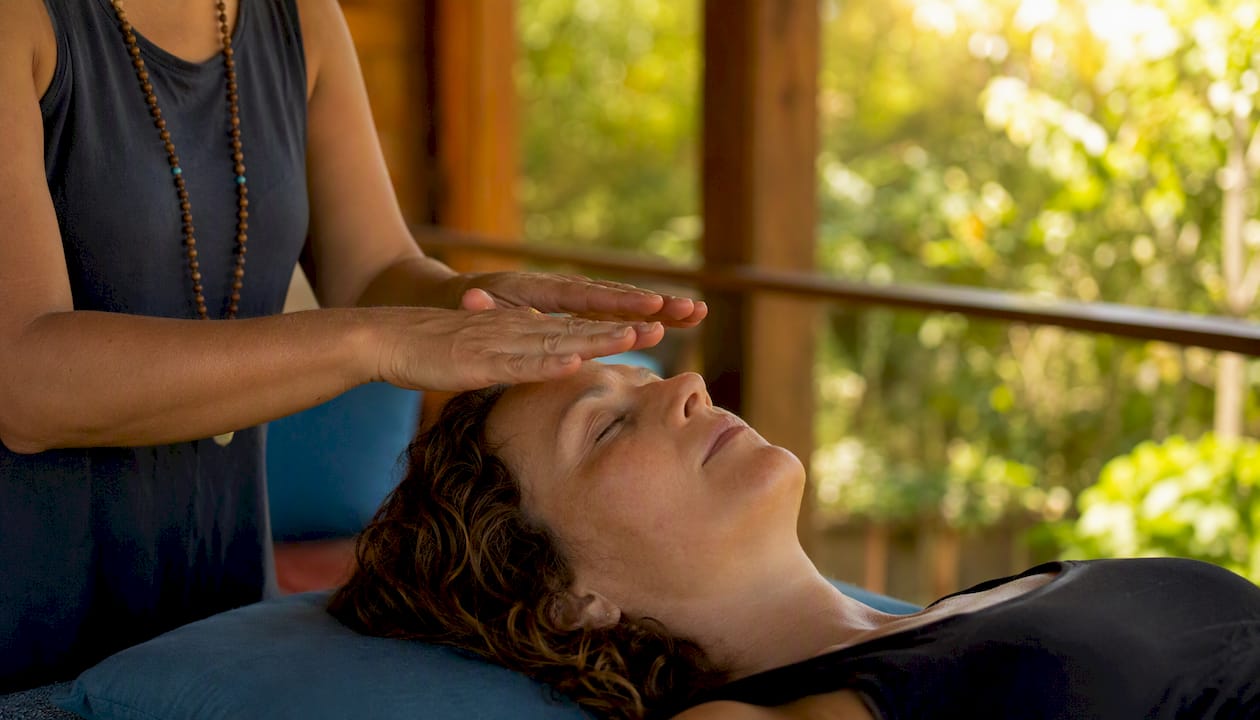
Reading about Stevenson’s case files is one thing. Sitting with your own mark and asking what it might be trying to tell you is another. Quantum Healing Hypnosis (QHHT) sessions with Paulstebles start with a proper conversation about your mark, your history, and what you’re hoping to understand, rather than jumping straight into a guaranteed answer nobody can honestly promise.
Every session begins with pre-session screening to check hypnosis is appropriate for you, followed by help documenting what you already know about the mark and its history. The regression itself is client-led throughout, meaning the pace and direction stay in your hands, not the practitioner’s script. Afterwards, there’s proper integration work so whatever surfaces gets processed rather than left hanging. This is exploratory and healing-focused work, not a medical service, and it won’t replace a dermatologist if your mark needs clinical attention first. If you’re ready to find out what your session might involve, the QHHT FAQ page answers the questions most people ask before booking, or you can go straight to book a QHHT session when you’re ready to start.
Frequently asked questions
Can a birthmark really prove I lived a past life? No single birthmark constitutes proof. The strongest documented cases show correlation between a mark and a reported wound, verified where possible against medical records, but correlation isn’t confirmation of reincarnation.
What percentage of past-life cases involve birthmarks? Roughly 35% of children in UVA’s investigated cases had birthmarks or birth defects their families linked to a previous wound.
Do all unusual birthmarks suggest a past life? No. Most unusual-looking marks have straightforward medical explanations involving genetics or vascular development. Reincarnation-linked cases involve specific anatomical correspondence to a documented wound, which is rare.
Should I see a doctor before exploring my birthmark spiritually? Yes, particularly if the mark has changed recently, bleeds, or causes pain. Medical clearance should always come before any regression or hypnotherapy work involving a physical mark.
How does a QHHT session use a birthmark? A practitioner typically asks about the mark’s history and any associated feelings or dreams, then uses that as a starting point for subconscious exploration. It’s treated as a symbolic prompt, not a diagnostic tool.
Sources
Recommended
Comments